
What to Know About Having an Electric Vehicle Towed
Electric vehicles are becoming increasingly common as drivers look for cleaner and more efficient transportation options. With their growing presence on the road, situations involving breakdowns, accidents, or battery depletion are also becoming more frequent. Unlike traditional vehicles, electric vehicles operate with complex electrical systems and large battery packs, which require special handling when something goes wrong. When towing becomes necessary, understanding the correct approach can help prevent damage and reduce unnecessary expenses. Knowing how electric vehicle towing works ahead of time can make a stressful situation far more manageable.
The global towing industry is evolving alongside the rise of electric vehicles. According to the global towing vehicle market, its value was valued at US$6.935 billion in 2018 and is expected to grow at a CAGR of 4.34% over the forecast period to reach a total market size of US$8.95 billion by 2024. This growth reflects increasing demand for specialized services, particularly those tailored to newer vehicle technologies like electric vehicles. As more drivers transition to electric, towing companies are adapting their practices, equipment, and training to meet these changing needs.
Understanding Electric Vehicle Towing Methods
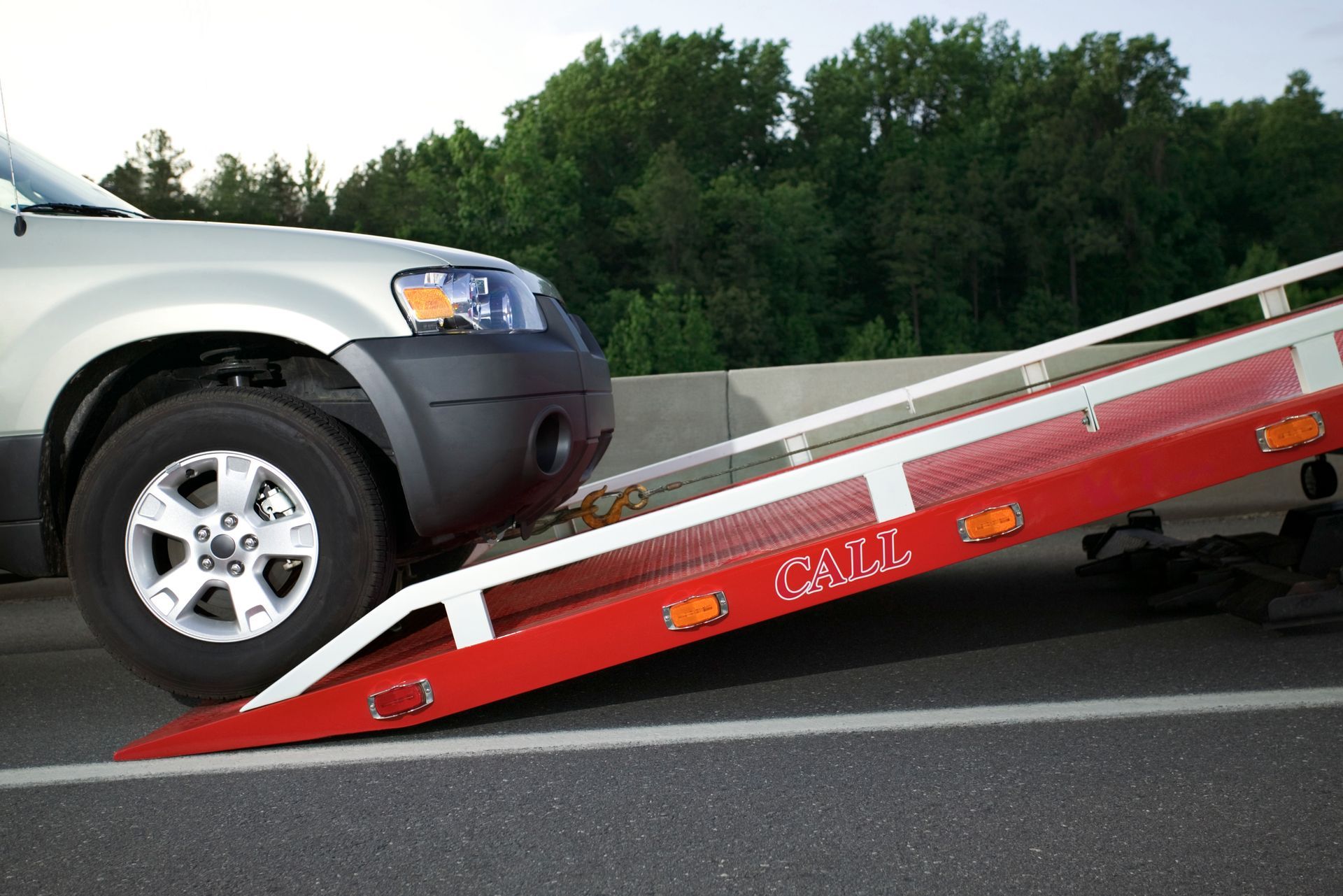
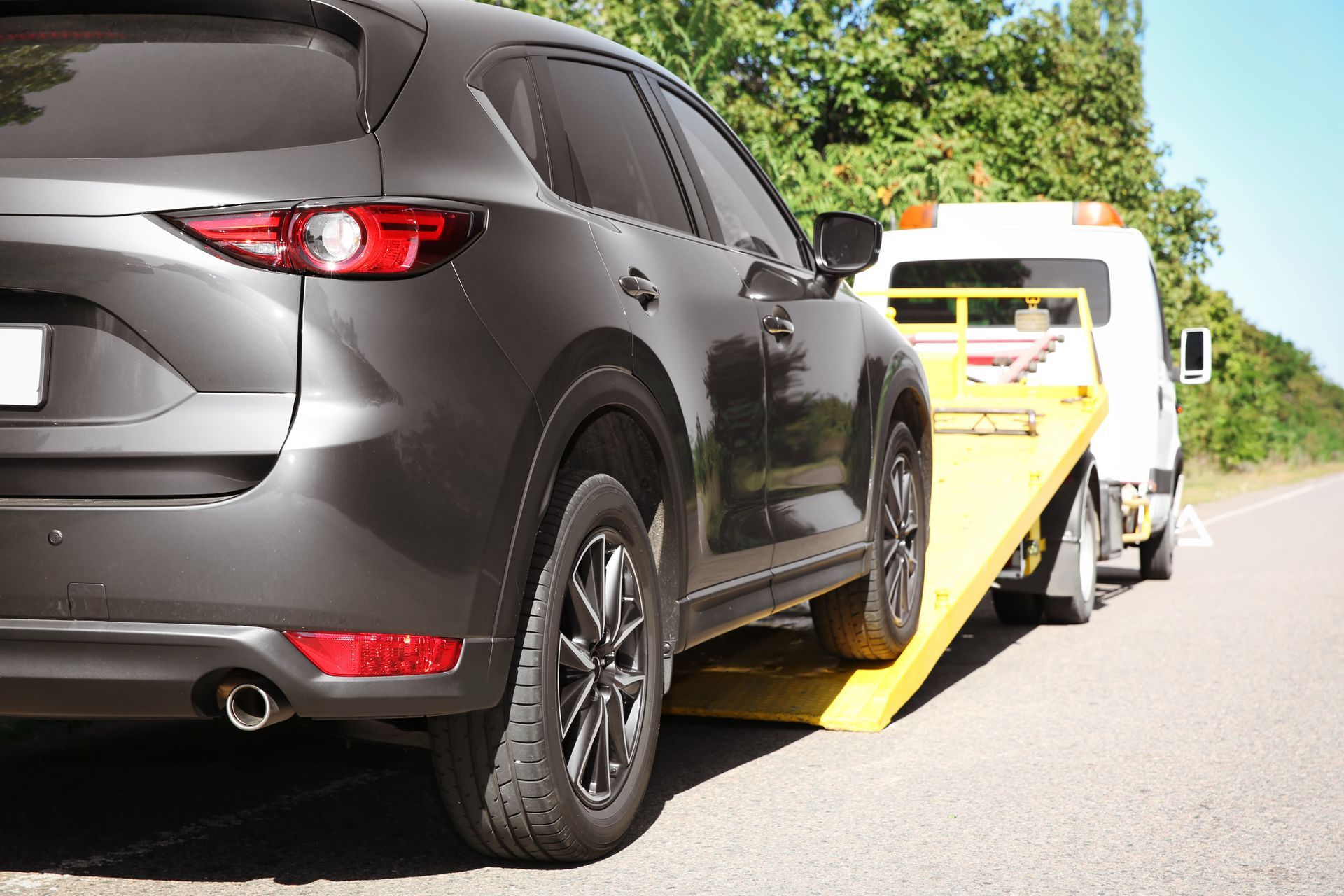
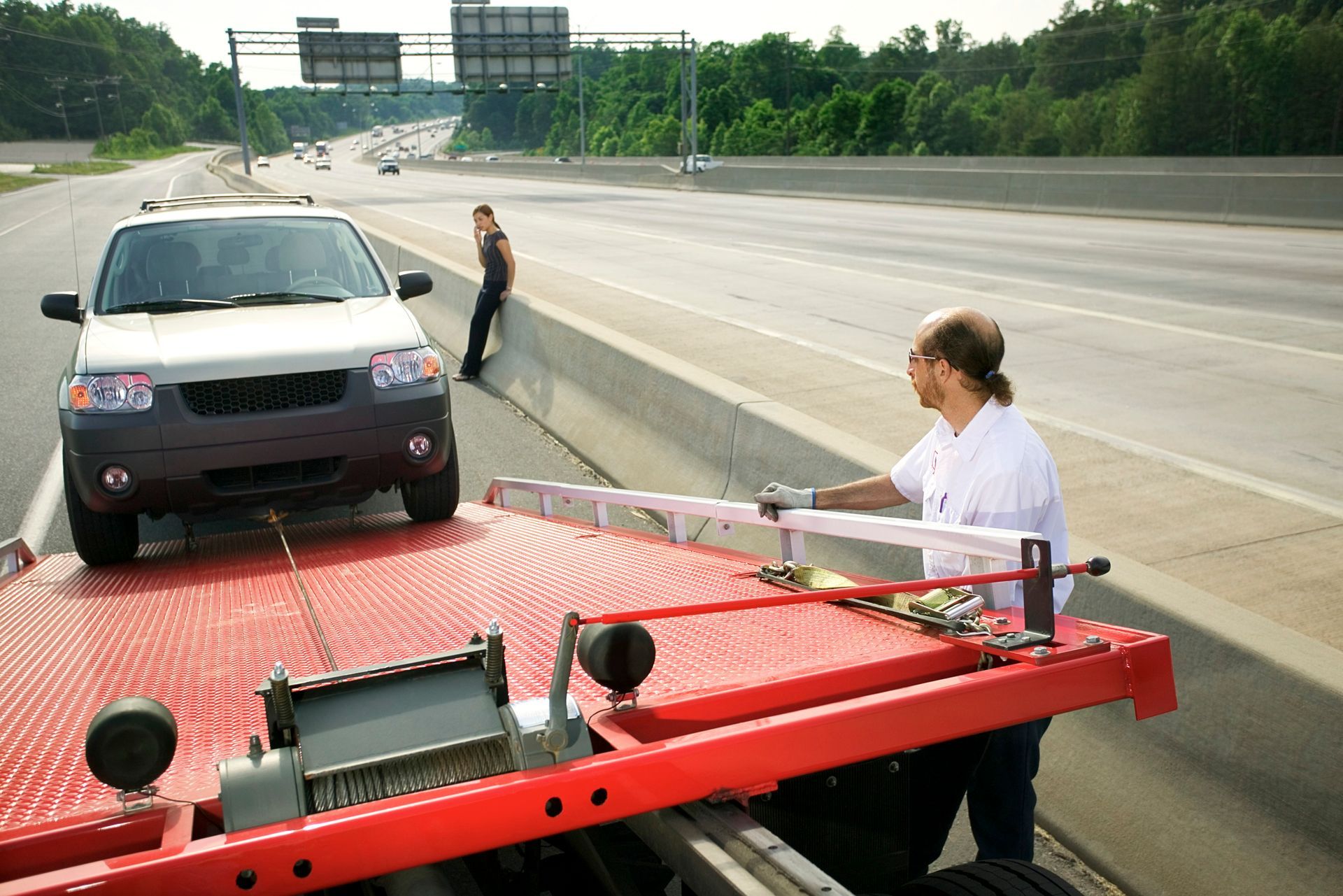
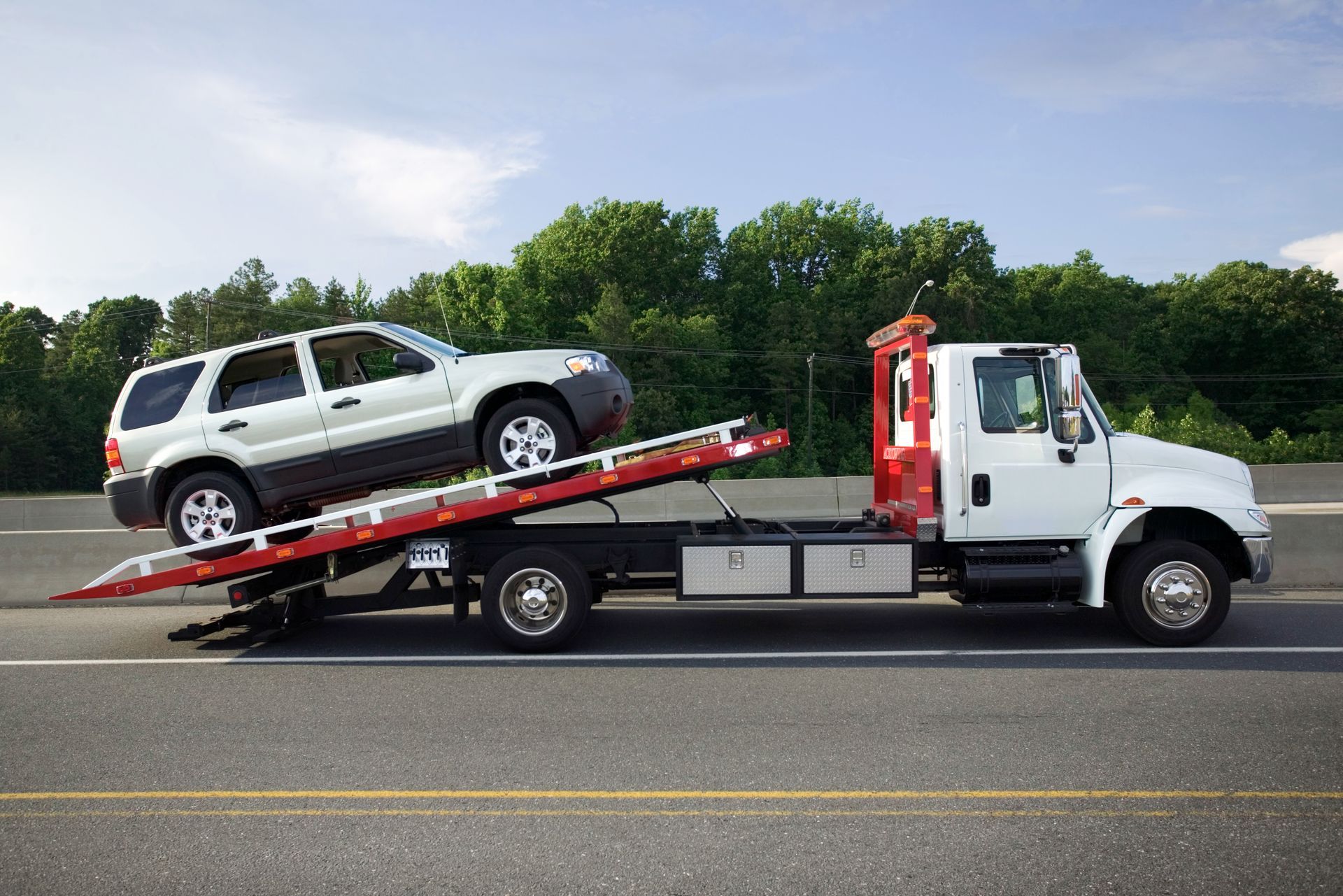
Electric vehicles require a different approach to towing compared to traditional gas-powered cars. The most widely recommended method is flatbed towing, where the entire vehicle is lifted off the ground and transported securely. This method prevents the wheels from turning during transit, which is important because many electric vehicles can generate electricity when their wheels move. Allowing this to happen unintentionally can lead to overheating or internal system damage. For this reason, flatbed towing is generally considered the safest option for preserving the integrity of the vehicle.
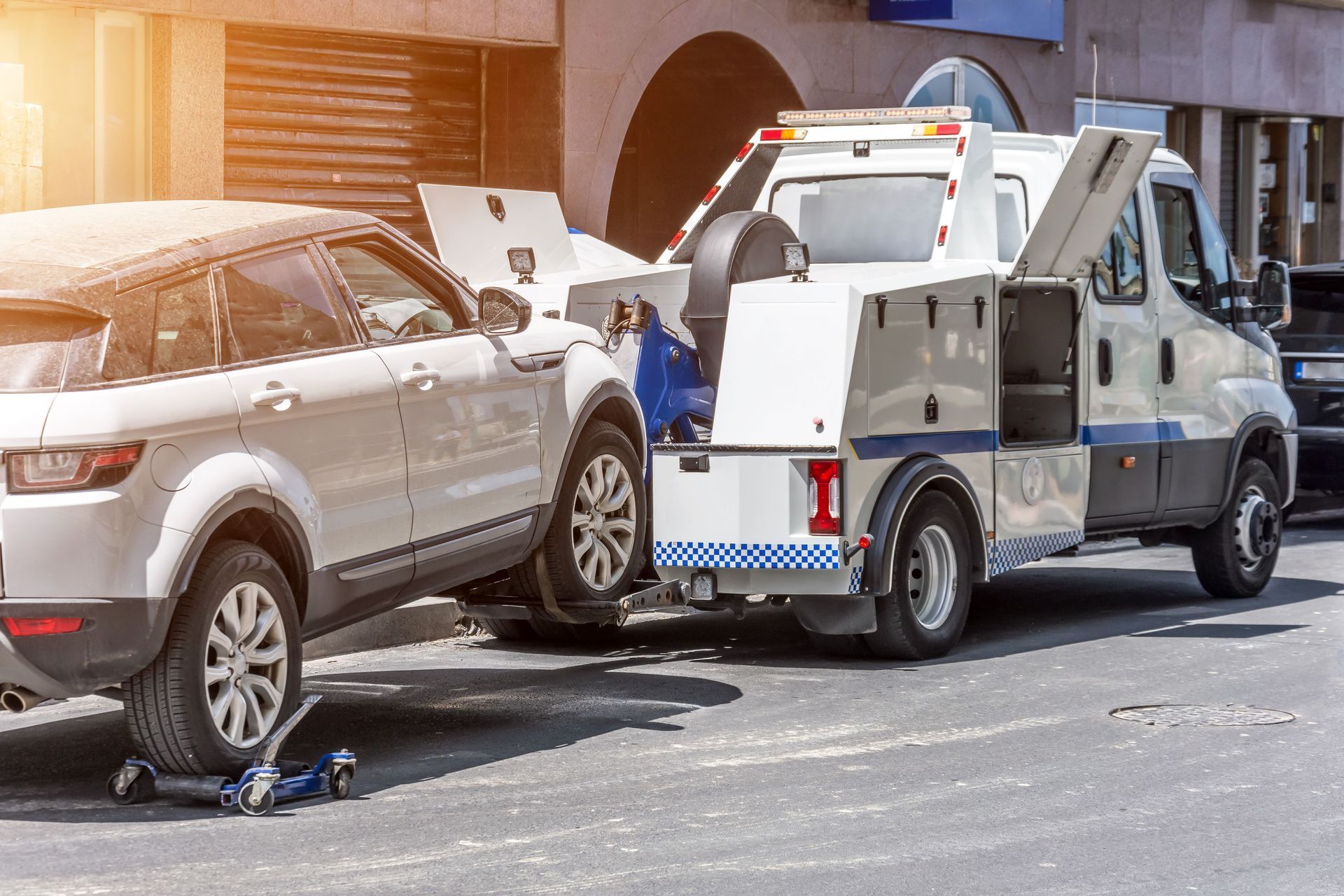
Other methods, such as wheel-lift or dolly towing, are sometimes used in emergencies, but they carry higher risks for electric vehicles. When wheels remain in contact with the road, the electric motor may still engage, even if the vehicle appears to be off. This can create complications within the drivetrain or battery system. While these methods may be acceptable for short distances under specific conditions, they are not typically recommended unless outlined by the manufacturer. Drivers should be cautious when these alternatives are suggested and ask questions before proceeding.
Recognizing Key Differences From Traditional Towing
Electric vehicles differ significantly from internal combustion engine vehicles, and those differences directly affect how they should be towed. One of the most important distinctions is weight distribution. Electric vehicle batteries are often located along the base of the vehicle, creating a lower center of gravity but also adding substantial weight. This changes how the vehicle should be balanced and secured during towing, requiring careful handling to avoid strain or instability.
Another major difference involves the drivetrain. Traditional vehicles can often be towed with two wheels on the ground without major issues, especially if they are not all-wheel drive. In contrast, electric vehicles can generate electricity through regenerative braking systems when their wheels rotate. This process, while beneficial during normal driving, can become problematic during towing if not properly managed. It may lead to overheating or unintended activation of internal components.
Additionally, electric vehicles rely heavily on electronic systems that must remain protected during transport. Sudden jolts, improper securing, or incorrect towing techniques can interfere with these systems. This is why towing companies that understand EV technology play an important role in maintaining vehicle safety. Recognizing these differences allows drivers to better advocate for proper handling when arranging towing services.
Knowing When Towing Becomes Necessary
There are several situations where towing an electric vehicle becomes unavoidable. Mechanical failures, such as issues with the battery or onboard software, can render the vehicle inoperable. In these cases, towing is often the safest way to transport the EV to a repair facility. Attempting to move the vehicle without proper support can worsen the problem or create additional complications.
Battery depletion is another common reason for towing. While charging infrastructure continues to expand, there are still areas where access is limited. Running out of charge in such locations leaves few options other than towing. Unlike gasoline vehicles, electric vehicles cannot be quickly refueled on the spot, making preparation and awareness especially important during long trips.
Accidents and extended periods of inactivity can also necessitate towing. After a collision, moving the vehicle safely without causing further damage is essential. Similarly, if an EV has been sitting unused for a long time, its battery may not hold enough charge to operate. In these scenarios, towing provides a controlled and safe way to relocate the vehicle without risking additional wear or damage.
Following Manufacturer Guidelines Carefully
Every electric vehicle manufacturer provides specific instructions regarding towing procedures. These guidelines are designed to protect the vehicle's components and maintain warranty coverage. Ignoring them can lead to serious damage and potentially void important protections. For this reason, reviewing the owner's manual before a towing situation arises can be extremely helpful.
Most manufacturers recommend flatbed towing as the primary method. They also specify designated attachment points and instructions for safely securing the vehicle. Using incorrect points can damage the frame or battery housing, leading to costly repairs. Towing companies familiar with electric vehicles typically follow these instructions closely, but it is still wise for owners to confirm that proper procedures are being used.
Avoiding Risks Associated With Improper Towing
Not hiring a professional can lead to a range of issues for electric vehicles, many of which are expensive to fix. One of the most significant risks is damage to the battery system. Because the battery is a central and sensitive component, any disruption during towing can affect performance or longevity. Repairs involving the battery can be particularly costly, making prevention a priority.
Another risk involves the drivetrain and motor systems. If the wheels are allowed to spin during towing, the motor may become active without proper cooling or control. This can result in overheating or mechanical failure. Even short distances under incorrect conditions can cause long-term damage that may not be immediately visible.
Financial consequences often follow improper towing practices. Repairs, replacements, and potential warranty issues can add up quickly. This is why working with knowledgeable towing companies is so important. Taking the time to confirm proper methods can help avoid these risks and protect the vehicle from unnecessary harm.
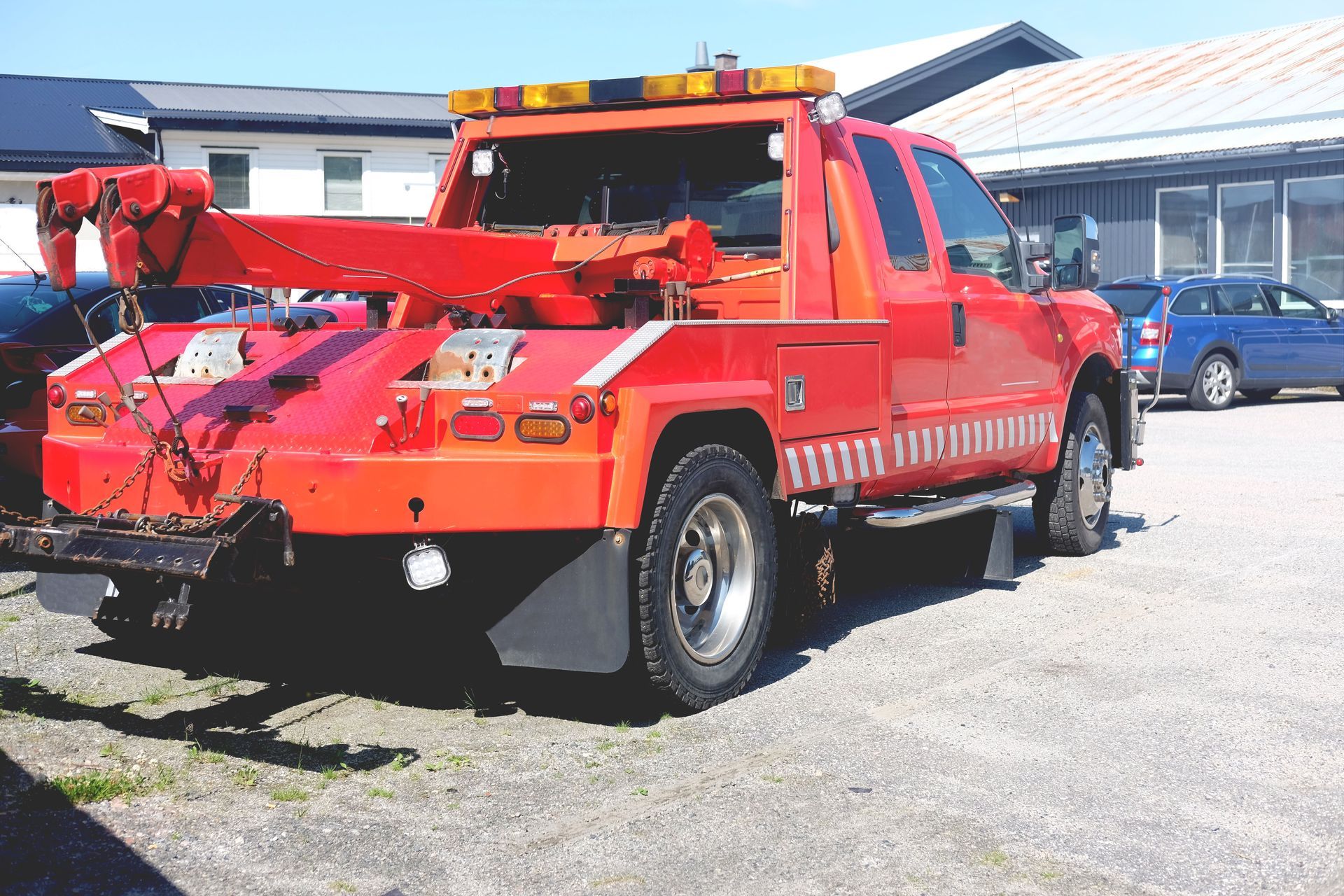
Proper equipment is essential when towing electric vehicles. Flatbed trucks are widely considered the best option because they keep all wheels off the ground. This prevents unintended movement within the drivetrain and protects sensitive components during transport.
Advancements in towing technology are also contributing to safer practices. Some towing companies are incorporating modern tools and techniques designed specifically for electric vehicles. These innovations improve stability and reduce risks, making the towing process more efficient and secure for electric vehicles.
Understanding how electric vehicle towing works can make a challenging situation much easier to handle. From recognizing the importance of flatbed towing to following manufacturer guidelines, each step plays a role in protecting the vehicle. As electric vehicles continue to grow in popularity, towing companies are adapting their services to meet new demands, making it easier than ever to find appropriate support when needed.
If you own an electric vehicle, taking time now to research local
towing companies and learn proper towing practices can save you time, money, and stress later. Keep important information accessible, ask the right questions, and choose services that align with your vehicle's needs. When the unexpected happens, being prepared allows you to respond quickly and keep your electric vehicle in the best possible condition. Reach out to Jim & Ron's Service Inc today.









Share On: